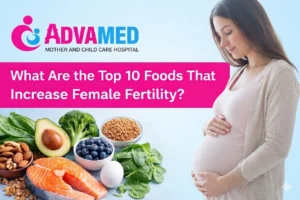


Starting the journey toward parenthood is one of the most significant decisions a woman can make. While modern medicine and technology provides incredible tools for those struggling to conceive. The foundation of reproductive health relies on your eating habits and lifestyle . If you are looking for foods that increase female fertility, you are already taking a vital step toward preparing your body for a healthy pregnancy.
At Advamed, our focus on IVF and Fertility Care goes beyond clinical procedures. We believe in a holistic approach where nutrition plays a very important role. Whether you are trying to conceive naturally or are seeking IVF and Fertility Care in Zirakpur, understanding the best diet for female fertility can significantly impact your success rates.
The Connection Between Nutrition and Fertility
The link between what you eat and your ability to conceive is not just another story. It is grounded in biological science. Your reproductive system is highly sensitive to the nutrients available in your body.
How Diet Impacts Hormonal Balance
Hormones like estrogen, progesterone, and follicle stimulating hormone (FSH) require specific building blocks to function correctly. Healthy fats, for example, are essential for hormone production. If your diet is lacking in quality nutrients, your body may prioritize survival over reproduction, leading to irregular ovulation or hormonal imbalances.
The Role of Inflammation and Egg Quality
Chronic inflammation can damage cells, including the delicate eggs in your ovaries. A diet rich in antioxidants helps neutralize free radicals, protecting egg quality. This is particularly important as women get older or for those dealing with conditions like PCOS or endometriosis.
Top 10 Indian Fertility Boosting Foods
When building the best diet for female fertility, consistency is key. Here are the top ten powerhouses found in almost every Indian kitchen.
1. Ghee (Clarified Butter)
In Ayurveda, ghee is considered a sacred food for fertility. It is a source of healthy saturated fats and fat soluble vitamins like A, D, E, and K. Ghee helps in the synthesis of hormones and provides the necessary lubrication for the reproductive organs. Adding a teaspoon of pure cow ghee to your dals or rotis can help nourish the uterine lining.
2. Ashwagandha
This powerful adaptogen is famous for its ability to lower cortisol levels. High stress is a major enemy of conception because it can disrupt the communication between the brain and the ovaries. Ashwagandha helps balance the endocrine system and improves the body’s overall response to stress, creating a more welcoming environment for a baby.
3. Saffron (Kesar)
Kesar is more than just a coloring agent for sweets. It is packed with antioxidants that improve mood and reduce oxidative stress. Some studies suggest that saffron can help regulate the menstrual cycle and boost libido, making it a valuable addition to your fertility diet.
4. Pomegranate and Seasonal Fruits
Pomegranates are rich in Vitamin C, Vitamin K, and folate. They are known to increase blood flow to the uterus, which is essential for healthy implantation. Other seasonal fruits like oranges, guavas, and berries provide the fiber and antioxidants needed to keep insulin levels stable.
5. Nuts and Seeds (Almonds, Sesame, Flaxseeds)
Almonds are a great source of Vitamin E, an antioxidant that protects the DNA in eggs. Sesame seeds (Til) and flaxseeds are rich in zinc and essential fatty acids. These nutrients are the building blocks of healthy eggs and help regulate the menstrual cycle.
6. Dairy (Full Fat Milk, Yogurt, Paneer)
Research from the Harvard School of Public Health suggests that women who consume full fat dairy have a lower risk of ovulatory failure compared to those who eat low fat dairy. The fat in whole milk or dahi is necessary for the ovaries to function at their peak.
7. Lentils and Pulses (Moong Dal, Chana)
Lentils are an incredible source of plant based protein and folate. Folate, or Vitamin B9, is critical for preventing neural tube defects and ensuring proper cell division in the early stages of pregnancy. Moong dal and Kabuli chana are staples that provide the iron and fiber necessary for reproductive health.
8. Turmeric (Haldi)
The active compound in turmeric, curcumin, is a potent anti inflammatory agent. By reducing inflammation in the pelvic region, turmeric helps improve the health of the reproductive tissues. It is particularly beneficial for women dealing with inflammatory conditions that may hinder conception.
9. Leafy Greens (Spinach, Methi)
Palak and Methi are powerhouses of iron, folate, and calcium. Iron is crucial because iron deficiency, or anemia, is a common cause of ovulatory issues among Indian women. Ensuring you have a serving of green leafy vegetables at least three times a week can significantly improve your blood quality.
10. Whole Grains (Brown Rice, Ragi, Jowar)
Swap refined flour (Maida) for whole grains like Ragi or Jowar. These complex carbohydrates are digested slowly, preventing the insulin spikes that can interfere with ovulation. Stable insulin levels are especially important for women with PCOS.
Non Vegetarian Options for Fertility
For those who consume animal products, there are several high impact options to consider.
Eggs
Eggs are often called nature’s multivitamin. They contain choline, which is vital for brain development in the fetus, and high quality protein that supports egg development.
Fatty Fish (Salmon, Sardines)
If available, fatty fish provide Omega 3 fatty acids. These fats improve the quality of the cervical mucus and increase blood flow to the reproductive organs.
Chicken and Bone Broth
Lean chicken provides B vitamins and iron. Bone broth, made by simmering bones for several hours, is rich in collagen and amino acids that support gut health and reduce systemic inflammation.
Foods to Limit or Avoid in an Indian Diet
While focusing on what to add, it is equally important to know what to subtract.
- Refined Sugar: Excessive sweets and sugary drinks can lead to insulin resistance, which disrupts ovulation.
- Trans Fats: Avoid reused frying oil and processed snacks like vanaspati ghee, as they increase inflammation.
- Excessive Caffeine: High intake of chai or coffee has been linked to longer times to conceive. Limit yourself to one cup a day.
Lifestyle Factors That Support Fertility
Nutrition works best when supported by a healthy lifestyle.
- Quality Sleep: Your body repairs itself and regulates hormones while you sleep. Aim for 7 to 8 hours of restful shut eye.
- Moderate Exercise: Yoga or brisk walking improves circulation to the pelvic area without putting the body under excessive stress.
- Stress Management: Techniques like Pranayama or meditation can lower the stress hormones that interfere with the reproductive cycle.
When to Consult a Specialist
Diet and lifestyle are crucial aspects, but they are parts of a larger puzzle. If you have been trying to conceive for over a year (or six months if you are over 35), it is time to seek professional guidance. At Advamed, we provide comprehensive IVF and Fertility Care tailored to your specific needs. Our team specializes in diagnosing the root causes of infertility and offering advanced treatments with a compassionate touch.
Conclusion
A nutrient-dense diet with traditional Indian superfoods supports your body for motherhood. Foods like ghee, turmeric, leafy greens, and lentils provide essential vitamins and minerals that help prepare your body. Small changes in your kitchen today can make a real difference over time. Consistency matters more than perfection.
If you have questions about your fertility journey or want to learn more about our services, we are here to help. At Advamed, your dream of parenthood is our mission.
FAQs
While a healthy diet is a powerful foundation for improving egg quality and hormonal balance, it is not a cure for all underlying medical conditions. It works best as a supportive measure alongside proper medical guidance or treatment.
It typically takes about 90 days for your eggs to mature and for dietary changes to impact egg quality. Consistency over three to four months is usually recommended to see significant improvements.
Yes, in moderation. Full-fat dairy and pure cow ghee provide essential healthy fats that help your body produce reproductive hormones, which is often better for fertility than low-fat or skimmed options.
At Advamed, we combine advanced clinical procedures with a holistic approach that emphasizes nutrition and lifestyle. We believe in treating the whole person, not just the medical condition, to improve success rates.
We provide comprehensive IVF and Fertility Care in Zirakpur. Our services range from diagnosing the root causes of infertility to offering advanced treatments like IVF with a compassionate, patient-focused touch.