

What Is Egg Preservation and How Does It Work?
Many women can benefit from egg preservation. Especially those women who are delaying becoming mothers. During this process, a woman’s mature eggs are grown and then extracted utilizing traditional IVF treatment methods. This technique typically involves three steps of treatment:
Stimulation: The woman takes hormones to help her ovaries make more eggs in one cycle.
Collection: The eggs are then collected via a small procedure which is usually done under sedation.
Freezing: The collected eggs are frozen & kept in a special place until the woman is ready to use them.
This treatment is perfect for those undergoing medical treatments, like chemotherapy, which might affect fertility.
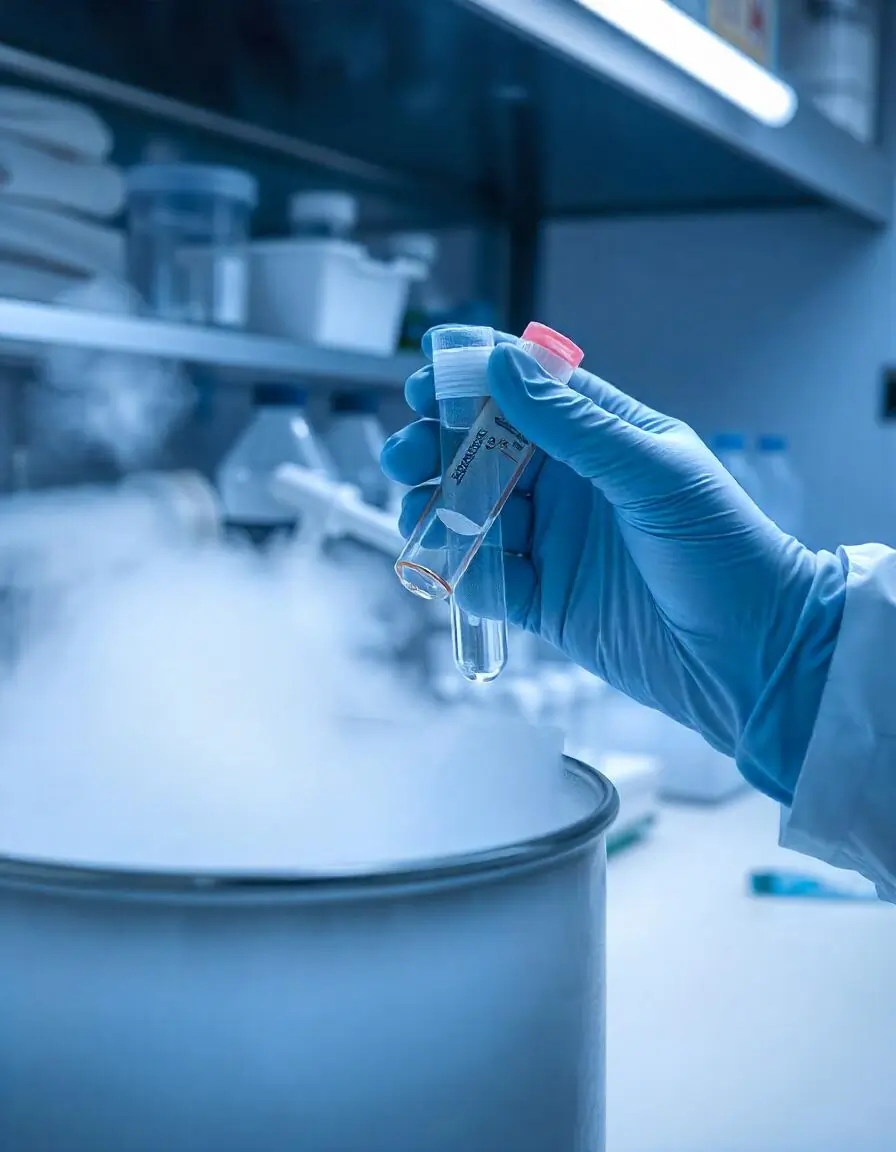
WHO WOULD BENEFIT FROM EGG FREEZING?
Women from five major categories seek this reproductive service:
- Women who want to wait to start a family, as they age, their fertility decreases. To preserve their eggs for later use, many are choosing to undergo IVF therapy sooner.
- Women diagnosed with cancer. Chemotherapy and radiation treatment can have negative impacts on fertility, and many such women become menopausal as a result.
- Women with a family history of premature ovarian failure, those who are likely to experience premature ovarian failure, and women with genetic conditions such as Turner syndrome that affect their ability to conceive or carry a pregnancy.
- Patients or couples who, due to religious or ethical beliefs, prefer not to freeze embryos that may remain after IVF treatments. Instead, they choose to preserve unfertilized eggs.
- Couples whose sperm cannot be obtained on the day of egg collection.
How would my eggs be retrieved?
Using conventional IVF methods, a woman’s mature eggs are developed and then retrieved for egg freezing. The treatment typically involves three stages: pituitary suppression, ovarian stimulation, and egg retrieval. Your doctor will provide a detailed explanation of each of these procedures.
During egg retrieval, a needle guided by ultrasonography is inserted through the vagina to collect the eggs. It passes through each ovarian follicle, and the fluid is extracted into a test tube. This fluid is then examined to identify and collect the eggs for freezing.
The procedure usually takes no more than 30 minutes, depending on the position of the ovaries, and is performed under sedation or anesthesia. Afterward, you will need to spend about an hour in the recovery room.
Throughout your cycle, you will also be monitored using transvaginal ultrasonography and serial blood tests. After the procedure, you may experience some vaginal spotting or light bleeding, along with mild to moderate cramping and discomfort. If the pain worsens or bleeding becomes heavier, you should contact your clinic. Using a heat pack, hot water bottle, or prescribed pain relief can help ease discomfort. You may need to take approximately two days off work to recover.
For those who wish to preserve embryos instead of or in addition to eggs, we also offer embryo freezing services in Zirakpur. This option is often preferred by couples who want greater flexibility for future family planning.
As with any medical procedure, there are potential risks and side effects associated with egg retrieval and related treatments. We recommend discussing these in detail with your treating specialist.
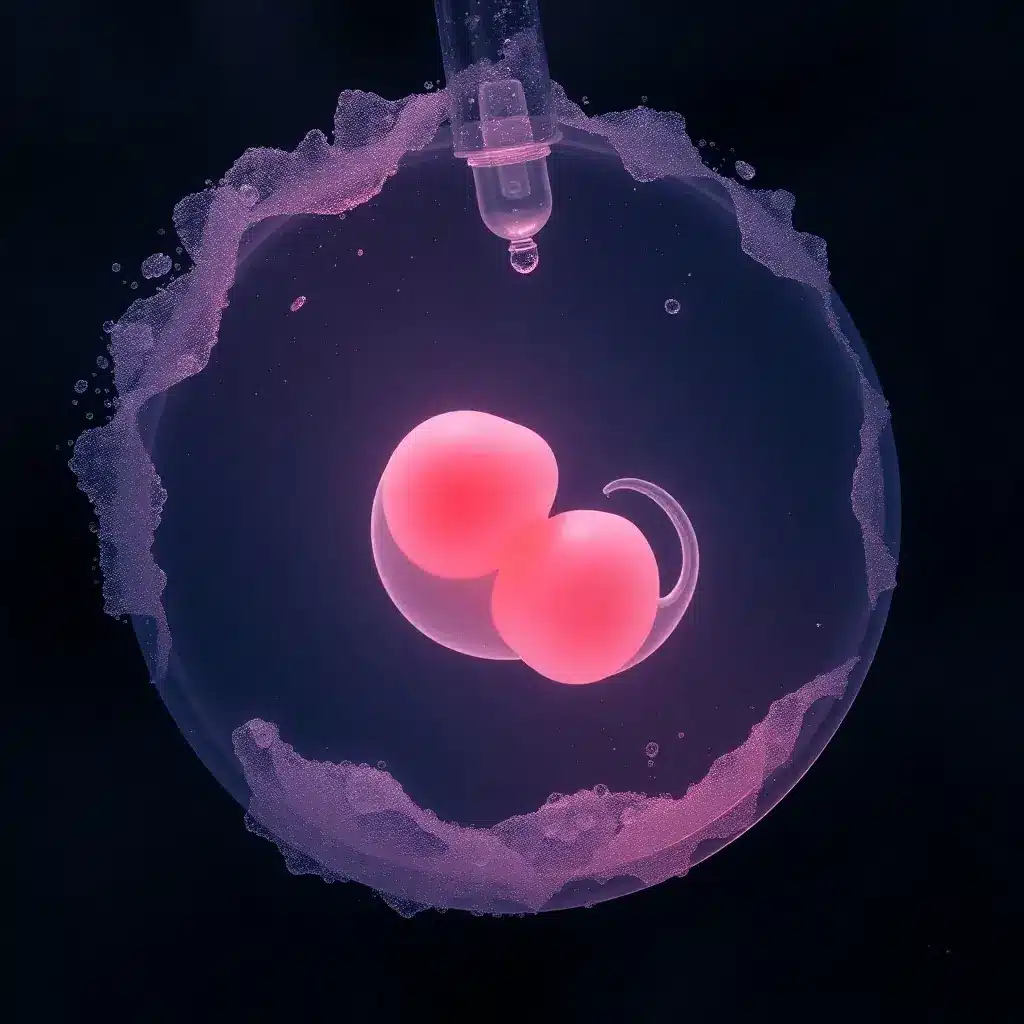
How many eggs can I anticipate receiving from an IVF cycle?
The quantity of eggs recovered during a single stimulation cycle varies greatly from person to person. Your age, health, and how well you react to the medication treatment all play a significant role. Furthermore, when it comes to the quantity and quality of eggs produced from human oocytes, “more is not necessarily better.”
Your fertility specialist will adjust your medication and treatment regimen based on your individual needs and/or past results while keeping these considerations in mind.
How does cryopreservation work?
Numerous elements affect our ability to freeze cells and ensure their survival. Sperm cells must be dehydrated before freezing to avoid rupture, because water expands in volume when it transforms into ice. The risk of cell rupture can be significantly decreased by adding a cryoprotectant, a substance that does not expand when frozen.
However, techniques for the cryopreservation of oocytes and embryos employ a method known as vitrification. In this method, a mixture of cryoprotectant and the egg or embryo produces a glass-like structure because cooling rates are so fast, greater than 20,000 degrees Celsius per minute, that ice cannot form. This makes vitrification the preferred technique for preserving eggs and embryos.
At AdBaby IVF Center, we regularly use vitrification to provide the highest success rates for egg and embryo freezing.
What are the limitations?
The oocyte, or egg, is the largest human cell and contains a high percentage of water. Additionally, it is highly sensitive and intolerant to the physical and chemical stressors brought on by freezing and thawing.
Ideally, an oocyte should be prepared for fertilization by a single sperm when it is ovulated or removed from the ovary during an IVF cycle. Meiosis is the process by which the egg prepares to shed half of its DNA in readiness for fertilization. An oocyte with too much or too little DNA can result if meiosis is disrupted by any changes in the physical or chemical environment surrounding the egg. Therefore, even after we have surmounted the challenges of sensitivity and water content, additional barriers to the effective freezing and thawing of oocytes persist.|
Although the main goal of freezing is to increase the egg’s chances of survival upon thawing, some damage or side effects of the process may not kill the cell but instead make it less viable. A significant challenge is that eggs do not fertilize well after thawing. This occurs because the membrane becomes partially disrupted, preventing the sperm from fusing with and penetrating the egg surface in the conventional manner.
To achieve satisfactory fertilization results with thawed eggs, artificial techniques of assisted insemination must be used. This process, known as intracytoplasmic sperm injection (ICSI), is widely used in fertility clinics across the globe. By injecting a single sperm directly into an egg, it circumvents the majority of common obstacles to fertilization.
Egg freezing storage
Patient Consent: We are aware that the embryos would typically be stored for ten years in a frozen state. We would notify you (the ART Clinic) at least six months in advance if we wanted to prolong this time frame. You may either (a) use them for study purposes or (b) dispose of them if we don’t get back to you before then. We also know that cycles which use frozen embryos have a lower pregnancy rate than cycles that use fresh embryos, and that some of the embryos might not survive the thaw that follows.
Conditions and Terms
1.Information Provision: I thus commit to contacting the aforementioned clinic at least once a year to submit up-to-date information about my address, phone number, and intentions about my cryopreserved gametes, as long as I keep them in storage at the clinic mentioned above. It will be considered abandonment and indicate my wish to stop storing cryopreserved gametes if I don’t: (i) get in touch with the clinic for a full year; (ii) reply to a request for information from the clinic within ninety days of receiving it; or (iii) give a new address or forwarding address where mail is returned to the clinic as undelivered.
2. Fee Payment: I am aware that the expenses associated with storing and cryopreserving my cryopreserved gametes fall under my purview. Fees for cryopreservation and storage are due. At the moment of gamete cryopreservation and at the start of each subsequent yearly storage cycle, these are due. I am aware that there is no reimbursement for these costs and that there will be no prorated adjustment for periods of incomplete storage. As stated in the clinic’s clinical records, if the annual fee for storing my cryopreserved gametes is not paid within a year of the first invoice being sent to my address, the clinic may determine that I no longer want to keep these specimens. In that case, I will give the clinic instructions to discard my cryopreserved gametes.
3. Failing to Pay Fees or Provide Information: I so agree to the following disposal of the cryopreserved gametes by the clinic in the event that I am unable to attend or pay the cryopreservation expenses as specified in sections 1 and 2 above:
(i) to take (yes/no) from storage for later disposal If No to (i) above, proceed to (ii) to (iv) beneath 4. Another Point of Contact/Accountable Individual I therefore designate a substitute contact and my agent to take over the responsibilities of sections 1 and 2 above in the event that I am unable to do so because of illness. A signed affirmation from me that they have read this form and will be in charge of its terms in the event that I am unable to is attached.
