

Starting a family should be a joyful time, but for many couples, it becomes a journey filled with stress and unwanted advice. If you have been trying to conceive for a while, you have probably heard “just relax” more times than you can count. But when nature needs a bit of help, sitting back isn’t the answer.
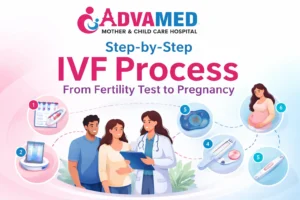
In Vitro Fertilization (IVF) is not a medical mystery or something to be whispered about. It is simply a scientific way to help you overcome the hurdles of infertility. If you are looking for an ivf centre in Chandigarh, you deserve a clear, honest roadmap of what to expect. This guide will walk you through the entire IVF process, from your first fertility test to the moment you finally see a positive pregnancy result.
Before IVF: Understanding Your Fertility
Beginning IVF treatment involves careful preparation and cannot be initiated on the first day of consultation. Any reputable infertility hospital in Chandigarh will tell you that the foundation of success lies in the preparation. Before a single needle is used, the doctors need to understand why anyone struggles to conceive.
Initial Fertility Testing for Both Partners
Fertility is a shared responsibility. Approximately one third of infertility cases are related to female factors, one third to male factors, and the remaining third result from a combination of both or remain unexplained. This is why testing must involve both partners. For women, this usually involves blood tests to check hormone levels like AMH (Anti Mullerian Hormone) and ultrasounds to check the ovarian reserve. For men, a semen analysis is the gold standard to check count, motility, and morphology. You cannot fix a problem you haven’t identified yet.
When IVF Becomes the Recommended Path
IVF is not always the first step. Often, doctors suggest simpler treatments like lifestyle changes, medication, or IUI (Intrauterine Insemination). However, IVF becomes the primary recommendation if you have blocked fallopian tubes, severe endometriosis, or if the male partner has a very low sperm count. IVF also serves as the preferred option for cases of unexplained infertility where other treatments have not been successful. Knowing the right time to opt for IVF in Chandigarh can help save time, reduce financial burden, and minimize emotional strain.
Preparing Physically and Emotionally
The success of this process depends largely on your body as the supporting environment.This means quitting smoking, reducing alcohol, and managing stress levels. But let’s be honest: emotional preparation is just as important. IVF is a rollercoaster. You need to be on the same page with your partner and have a support system in place. It is okay to feel overwhelmed, but going in with a clear head makes a massive difference.
The IVF Timeline: Key Stages Explained
Once the tests are done and the plan is set, the actual cycle begins. A typical cycle takes about four to six weeks. Here is how the timeline actually looks.
Ovarian Stimulation and Monitoring
In a natural cycle, your body produces one egg. In an IVF cycle, we want more. You will take injectable medications for about 8 to 12 days to stimulate your ovaries to produce multiple eggs. During this time, you will visit the hospital frequently for ultrasounds and blood tests. The doctors are looking for the perfect moment when the follicles are large enough but haven’t released the eggs yet.
Egg Retrieval and Sperm Collection
When the follicles are ready, you receive a “trigger shot” to finalize egg maturation. About 36 hours later, the egg retrieval happens. This is a minor surgical procedure done under light sedation. A thin needle is used to collect the eggs from the follicles. It takes about 20 to 30 minutes. On the same day, the male partner provides a sperm sample. If you are using donor sperm, it is prepared in the lab at this time.
Fertilization and Embryo Development
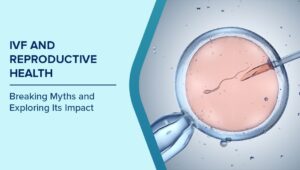
This is where the “In Vitro” part happens. In the lab, the eggs and sperm are brought together. In some cases, a single sperm is injected directly into an egg through a process called ICSI (Intracytoplasmic Sperm Injection). The lab team then monitors the embryos for 3 to 5 days. They are looking for healthy cell division. In 2026, many clinics will also use genetic testing (PGT) to ensure they are transferring the healthiest embryo possible.
Embryo Transfer and the Two-Week Wait
The embryo transfer is the simplest part of the physical process and feels similar to a Pap smear. A small catheter is used to place one or two embryos into the uterus. After this, the waiting begins.
This period, known as the “two-week wait,” is the time when the embryo implants and the body produces enough hCG to be detected by a pregnancy test. Despite being physically uneventful, this is often the most difficult part of the journey, as there is nothing left to do but wait.
What to Expect During Each Stage
Let’s talk about physical reality. During stimulation, you might feel bloated or moody. Think of it as PMS on steroids. The egg retrieval might cause some cramping or spotting for a day or two. Most women can go back to work the next day. The transfer usually causes no pain at all. The biggest “symptom” most people report is actually anxiety. Every twinge or cramp during the two week wait feels like a sign, but usually, it is just the body reacting to the hormones.
Success Rates, Risks, and Emotional Considerations
IVF does not work 100% of the time on the first try. Success rates depend heavily on age, the cause of infertility, and the quality of the lab. Generally, women under 35 have a higher success rate per cycle. Risks are minimal but can include Ovarian Hyperstimulation Syndrome (OHSS), which is rare but managed by close monitoring.
The emotional toll is the real risk. You have to be prepared for the possibility that a cycle might not work. This is why choosing the right team matters. You don’t just want a doctor; you want a partner who communicates clearly and honestly with you.
After a Positive Result: Next Steps
If the test is positive, congratulations! But the journey with your ivf centre in Chandigarh isn’t quite over. You will continue taking progesterone supplements to support the early pregnancy. You will have a follow up ultrasound around the 6 to 7 week mark to confirm the heartbeat. Once the pregnancy is stable, usually around the end of the first trimester, you are “graduated” to a regular obstetrician for the rest of your prenatal care.
Conclusion
Achieving parenthood through IVF takes time, patience, and skilled care. You deserve a place where you are treated as a person, not just a patient number.
If you are ready to take the next step and want to work with a team that prioritizes transparency and results, visit Advamed Hospital. Whether you are just starting your research or looking for a second opinion, we are here to provide the clarity you need. Don’t let infertility define your future. Take control of your journey today.
FAQs
A typical IVF cycle, from the start of ovarian stimulation to the embryo transfer, takes approximately four to six weeks, though the initial fertility testing and preparation phase occurs beforehand.
Physical side effects include bloating and mood swings from hormone medications, as well as potential cramping after egg retrieval. There is a rare risk of Ovarian Hyperstimulation Syndrome (OHSS), which is closely monitored by your medical team.
No, IVF is not always the first step. Doctors often start with simpler treatments like lifestyle changes, medication, or Intrauterine Insemination (IUI) unless specific conditions like blocked fallopian tubes or severe male factor infertility are present.
AdvaMed prioritizes transparency and a personalized approach, ensuring patients are treated as individuals rather than case numbers. Their team focuses on clear communication and honest guidance throughout the emotional journey of fertility treatment.
Yes, AdvaMed emphasizes being a true partner in your journey, offering the clarity and emotional support needed from the initial research phase through to the moment you graduate to regular prenatal care.