
Irregular periods are often the first sign that something is off. For many women, a PCOS diagnosis comes only after months of trying to conceive. The news can feel heavy, but PCOS does not rule out pregnancy. Many women with the condition conceive naturally or with simple treatment. This guide explains how PCOS affects ovulation, what you can do at home, and when to seek medical help.
Key Takeaways
- PCOS affects ovulation, but it does not make pregnancy impossible.
- Losing 5% to 10% of body weight can help restore regular cycles in women who are overweight.
- Letrozole is the first-line fertility medicine in the 2023 international PCOS guideline.
- IUI and IVF are options when ovulation induction alone does not work.
- Women with irregular cycles should seek advice early instead of waiting a full year.
What Is PCOS and How Does It Affect Fertility?
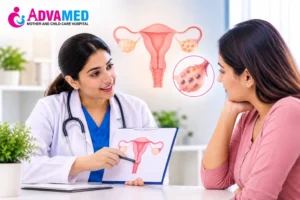
PCOS stands for polycystic ovary syndrome. The World Health Organization describes it as a common hormonal disorder. Higher androgen levels can cause irregular periods, abnormal ovulation, acne and excess hair growth.
When an egg is not released regularly, conception becomes harder. Cysts are not required for a diagnosis. Some women with PCOS have normal-looking ovaries on ultrasound.
A global review in Human Reproduction Update found a pooled prevalence of 12.1% using the Rotterdam criteria. Rates were highest in the Eastern Mediterranean and South-East Asian regions. India sits in the South-East Asian region, so the condition is common among Indian women.
Signs You May Have PCOS
Symptoms vary from woman to woman. Common signs include:
- Irregular, infrequent or missed periods
- Acne that continues beyond the teenage years
- Excess hair on the face, chest or abdomen
- Thinning hair on the scalp
- Weight gain around the waist
- Dark, velvety skin patches in body folds
Lean women can have PCOS too, so a normal weight does not rule it out. Diagnosis needs a proper clinical review. A gynecologist in Zirakpur will usually check your history, hormone levels and pelvic ultrasound. Other causes of irregular cycles, such as thyroid problems, are checked first.
Lifestyle Tips That Support Ovulation
The 2023 international guideline places lifestyle change at the start of PCOS care. These steps cost little and help most women.
Aim for Gradual Weight Loss if You Are Overweight
Even 5% to 10% weight loss can bring back regular ovulation. Avoid crash diets. No single diet has proven best for PCOS. Choose a balanced pattern that you can follow for years.
Stay Active
Regular movement helps your body use insulin better. Aim for at least 150 minutes of moderate activity each week. Brisk walking, cycling and strength training all count.
Look After Sleep and Stress
PCOS is linked with anxiety and depression, so mental health deserves attention. Keep a steady sleep routine. Talk to your doctor if low mood or worry affects daily life.
Cut Out Smoking and Limit Alcohol
Both can affect fertility and pregnancy outcomes. Quitting before conception is the safest option.
Start Preconception Care
Ask your doctor about folic acid before you try to conceive.
Be Careful With Cycle Tracking
Ovulation can be unpredictable in PCOS. Home ovulation kits may give confusing results. Ask your doctor about ultrasound follicle tracking for a clearer picture.
Medical Treatments for PCOS-Related Infertility
If lifestyle changes do not restore ovulation, treatment moves in steps. Your doctor will choose the plan based on your age, test results and partner’s semen report.
- Ovulation induction with letrozole. The 2023 guideline names it the first-line medicine for women with PCOS who are not ovulating. Dose and timing must come from your doctor.
- Second-line options. These include clomiphene with metformin, gonadotropin injections, or laparoscopic ovarian drilling. Keyhole surgery is considered only when medicines fail.
- IUI. Doctors may pair intrauterine insemination with ovulation induction in selected cases.
- IVF or ICSI. The guideline lists IVF as a third-line option when ovulation induction fails. It is offered earlier if tubes are blocked, sperm quality is poor, or age is a concern.
Women with PCOS can respond strongly to IVF medicines. Close monitoring lowers the risk of ovarian hyperstimulation. This is why IVF and fertility care in Zirakpur should follow individual protocols, not a fixed template. Read more about IVF and ICSI treatment before your first consultation.
When to See a Fertility Specialist
Women with irregular cycles should not wait a full year before seeking help. Women over 35 should seek advice after six months of trying. Book earlier if you have known endometriosis, pelvic surgery history or fibroids.
An IVF specialist in Zirakpur can order the right tests and map out realistic next steps. Families from Mohali and Panchkula often choose IVF and fertility care in Zirakpur for frequent monitoring visits. Your partner should be tested too. Male factors can also affect conception.
How to Choose a Fertility Clinic
A good clinic explains your options before recommending IVF. Look for these points:
- A clear diagnosis and written treatment plan
- Transparent costs for each stage
- Ultrasound and hormone monitoring during treatment
- Access to laparoscopy if surgery is needed
- Counselling support for stress during treatment
Many couples choose an IVF centre in Tricity for easy access from Punjab, Haryana and Himachal Pradesh. Others prefer an experienced IVF specialist in Chandigarh after a referral. Whichever you pick, ask about the doctor’s training and how they handle PCOS cases.
AdvaMed Hospital and Fertility Centre sits on the Chandigarh-Ambala highway in Zirakpur. It offers IUI, IVF and ICSI alongside gynecology and laparoscopy services, maternity care and neonatal care.
Final Thoughts
PCOS makes ovulation less predictable, but pregnancy is still possible for most women. Start with weight, activity and sleep. Get a proper diagnosis and ask about letrozole if you are not ovulating. Move to IUI or IVF when your doctor advises it. Local IVF and fertility care in Zirakpur can make frequent scans easier to manage. Early guidance saves time and reduces stress.
FAQs
Yes, many women do. PCOS makes ovulation irregular, not impossible. Lifestyle changes and cycle monitoring can help some women conceive without treatment. Others need ovulation medicines.
No. The WHO states that PCOS has no cure. Symptoms may change after pregnancy, but the condition usually continues. Treatment focuses on managing symptoms and long-term health.
See a doctor early if your periods are irregular or absent. Do not wait a full year. If you are over 35, seek advice after six months of trying.
No. Guidelines list IVF as a third-line option for most women. Lifestyle changes and ovulation induction come first. IVF is offered earlier when other fertility factors are present.
Yes. Studies suggest a sizeable share of women with PCOS have a normal weight. Hormonal and metabolic features still apply. Diagnosis rests on symptoms, blood tests and ultrasound, not body weight.