

Donor IVF allows a woman to carry a pregnancy using eggs from a healthy donor when her own eggs cannot lead to a successful pregnancy. It is a proven path to parenthood for couples facing ovarian failure, poor egg quality, or repeated IVF failure.
For many couples, the dream of having a baby feels distant when their own eggs are no longer an option. Advances in reproductive medicine now offer a clear way forward through donor IVF. This treatment lets the mother experience pregnancy, childbirth, and breastfeeding while her baby grows from a donor egg. This blog explains what IVF with donor eggs involves, who it helps, and how to take the next step with confidence.
Understanding Donor IVF
Donor IVF is a form of in-vitro fertilization where eggs come from a carefully screened anonymous donor. The recipient carries the embryo and gives birth, making the experience deeply personal and biological even though the egg is not her own.
How Donor IVF Differs from Regular IVF
In regular IVF, the woman uses her own eggs retrieved after ovarian stimulation. In donor IVF, a healthy young donor undergoes that part of the process. The donor’s eggs are fertilized with the male partner’s sperm or donor sperm in the laboratory. The resulting embryo is then transferred into the recipient’s uterus. The recipient’s body nourishes the pregnancy and delivers the baby. The key difference is the genetic origin of the egg, but the pregnancy journey remains entirely the mother’s. This method offers hope when ovarian reserve is extremely low or absent.
The Step-by-Step Process
The first step is selecting an egg donor from a clinic’s anonymous pool. These donors are young, fertile, and thoroughly screened for infections and genetic conditions. Once chosen, the donor’s cycle and the recipient’s uterine lining are synchronized using hormone medications. The donor undergoes a short course of injections and a minor egg retrieval procedure. The eggs are then fertilized with sperm, and one or two healthy embryos are transferred into the recipient’s uterus after a few days of growth. Extra embryos can be frozen. The recipient continues progesterone and estrogen support until the placenta takes over. A pregnancy test follows about two weeks later.
Who Should Consider Donor IVF?
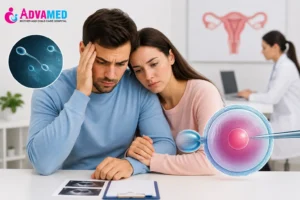
Donor IVF is considered when a woman’s own eggs are missing, depleted, or unable to create a viable pregnancy. It also becomes the best path after multiple failed IVF cycles that point to poor egg quality.
Medical Conditions That Indicate Donor Eggs
Several medical situations make donor eggs the most practical choice. Premature ovarian failure or early menopause stops egg production long before age forty. Women born without ovaries or those who had them surgically removed due to tumours or severe endometriosis fall into this group. Cancer treatments like chemotherapy and radiation often damage ovarian tissue beyond recovery. Genetic disorders that a woman does not want to pass on to her child also lead couples to choose IVF with donor eggs. A very low AMH level combined with a poor antral follicle count can indicate that the ovaries will not respond well to stimulation, making donor eggs a faster and more effective option.
Repeated IVF Failures and Age-Related Infertility
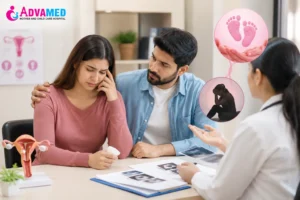
Some women undergo several IVF cycles using their own eggs but fail to conceive despite good uterine conditions. When embryos consistently stop growing early or are of poor quality, the problem often lies in egg quality. This becomes more common with advancing age. Even a healthy woman over forty-two faces a steep drop in her chances of success with her own eggs. Doctors may recommend donor IVF after two or three failed cycles when egg quality is the clear limiting factor. The shift is emotionally significant, but it dramatically improves the odds of taking home a healthy baby.
Success Rates and Realistic Expectations
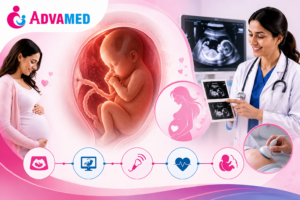
IVF with donor eggs has one of the highest success rates in all fertility treatments because donors are typically under thirty and carefully screened. Clinical pregnancy rates often reach fifty to sixty percent per embryo transfer in quality centres.
Why Success Rates Are High
Young donor eggs have fewer chromosomal abnormalities, which is the main reason for higher implantation and live birth rates. The uterine environment of the recipient, even if she is in her forties, can still support a pregnancy well. Unlike regular IVF where egg age matters most, donor IVF bypasses that factor. The recipient’s health and uterine lining quality become the focus. A good clinic with an advanced laboratory and experienced embryologists can achieve strong results consistently. Sperm quality also plays a role, but the egg factor remains the biggest variable that donor IVF removes.
Factors That Influence Your Outcome
While donor IVF carries high success rates, certain factors still matter. The recipient’s uterine lining must be thick enough to accept the embryo. Conditions like fibroids, polyps, or adenomyosis need treatment before transfer. Sperm quality, whether from a partner or donor, should meet acceptable standards. Lifestyle factors like smoking, obesity, and uncontrolled diabetes can reduce success. Following the doctor’s medication schedule exactly as prescribed is essential. A good clinic will address all these before the transfer cycle begins. Your doctor will give you a realistic number based on your complete evaluation.
Emotional and Legal Aspects
Choosing donor eggs involves not only a medical decision but also an emotional and ethical one. Indian law provides clear guidelines that protect all parties and ensure the process is transparent and safe.
The Emotional Journey of Choosing Donor Eggs
It is normal to feel sadness, loss, or confusion when first hearing that donor eggs may be needed. The thought of a child not sharing your genes can be painful. However, most parents who proceed with donor IVF report that these feelings fade completely once they hold their baby. Carrying the pregnancy, feeling the first kick, and delivering the child create a bond that feels just as deep and real. Speaking with a fertility counsellor helps couples process their feelings and reach a place of peace. Many women say the experience of being pregnant and becoming a mother heals the initial grief.
Anonymity and Legal Guidelines in India
The Indian Council of Medical Research mandates that egg donors remain anonymous. As intended parents, you receive relevant medical history, physical characteristics like skin tone, height, and education level, but you never learn the donor’s identity. The donor also remains unaware of who receives her eggs. She has no legal rights or responsibilities regarding any child born. All donors are screened for HIV, hepatitis, syphilis, and genetic disorders before acceptance. Clinics maintain strict confidentiality. Married couples are eligible for donor IVF, and your clinic will handle the documentation smoothly. Understanding these rules brings clarity and comfort before you start.
Choosing the Right Doctor and Clinic
The success and safety of your donor IVF journey depend heavily on the clinic you choose. Look for a centre with a well-screened donor pool, a strong IVF laboratory, and doctors who explain every step openly and kindly.
If you are looking for the best IVF doctor in Chandigarh, Advamed offers expert care with years of experience in donor egg treatments. Our team includes an experienced IVF Specialist Zirakpur family’s trust for high success rates and transparent protocols. We maintain a carefully screened anonymous donor pool and support you with counselling and full medical guidance. Every couple receives a personalized plan that respects their emotional and financial needs. From the first consultation to the pregnancy test, you are never alone.
Taking Your First Step
Deciding to explore donor IVF is a courageous and hopeful move. The right information and a supportive medical team can transform uncertainty into a clear path forward.
Begin with a detailed consultation where your doctor reviews your history, past treatment results, and current ovarian reserve. Together, you will discuss whether IVF with donor eggs is the right next step. If you are ready to learn more or have questions, visit or book online your appointment. Our specialists in Chandigarh and Zirakpur are here to guide you with honesty, compassion, and clinical excellence.
FAQs
Yes, carrying the pregnancy and giving birth creates a powerful biological and emotional bond. The baby grows in your womb, hears your voice, and receives your nourishment. Most mothers feel no difference in love compared to a genetically related child.
Medically, women up to about fifty years can carry a pregnancy with donor eggs if their health permits. However, most clinics follow guidelines that set the upper limit around fifty. Your doctor will assess your overall health and uterine condition before clearing you.
Once a donor is selected and cycles are synchronized, the active treatment phase lasts about four to six weeks. The donor stimulation and egg retrieval take two weeks, followed by embryo transfer and a two-week wait for the pregnancy test. Total time from consultation to result can be a few months.
Advamed screens donors thoroughly for infectious diseases, genetic conditions, and ovarian health. We follow ICMR guidelines for anonymity and provide you with all relevant non-identifying information. Our pool is built carefully to ensure safety and quality.
Yes, Advamed’s IVF Specialist Zirakpur team provides consultations close to home. You can discuss your case, review test results, and understand if donor IVF is right for you. Visit us to book an appointment at your convenience.