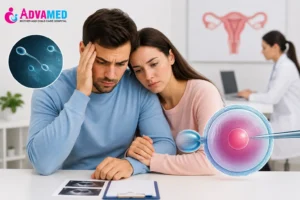


When couples begin their IVF journey, most of the initial focus tends to fall on the woman’s health, hormone levels, and egg quality. However, growing evidence around male fertility and IVF success shows that sperm health plays an equally important role in how well treatment works.
Fertility is rarely a one-sided story. Nearly half of all infertility cases involve a male factor, either alone or alongside female infertility. Understanding this can help couples approach IVF with a fuller picture and prepare for treatment together.
This article explains how male fertility influences IVF outcomes, what tests are used to assess it, and how couples in the region can find the right support.
Understanding Male Fertility
Male fertility depends on several factors working together, including sperm count, motility, shape, and the overall health of the reproductive system. Even small changes in these areas can affect how well sperm can fertilize an egg, whether naturally or through assisted methods like IVF.
Common causes of reduced male fertility include:
- Low sperm count or poor sperm motility
- Abnormal sperm shape, known as morphology
- Hormonal imbalances affecting sperm production
- Varicocele, which is swelling of veins in the scrotum
- Lifestyle factors such as smoking, excess alcohol, and high stress
- Certain infections or prior surgeries affecting the reproductive tract
Many of these issues have no obvious symptoms, which is why fertility testing plays such an important role before starting treatment.
How Male Fertility Affects IVF Success
Male fertility and IVF success are closely connected, since sperm quality directly affects fertilization rates, embryo development, and pregnancy outcomes. Poor sperm quality can lead to lower fertilization rates, slower embryo growth, or a higher chance of the cycle not resulting in pregnancy.
Sperm DNA fragmentation is one area receiving increasing attention. Even when sperm count and motility appear normal, high levels of DNA damage can affect embryo quality and implantation success.
This does not mean male infertility rules out successful IVF. Modern techniques have made it possible for many men with significant fertility challenges to still father biological children through carefully tailored treatment plans.
Diagnostic Tests for Male Fertility Before IVF
Before starting IVF, doctors typically recommend a thorough evaluation of male fertility. This usually includes:
- A semen analysis to assess sperm count, motility, and morphology.
- Hormone testing to check testosterone and related hormone levels.
- A physical examination to check for varicocele or other structural issues.
- Genetic testing in cases of very low or absent sperm count.
- Sperm DNA fragmentation testing, particularly after repeated IVF attempts without success.
These tests help the fertility team choose the most effective treatment approach for each couple, rather than relying on a general protocol.
Treatment Options When Male Fertility Is a Factor
When male fertility issues are identified, several treatment approaches can improve the chances of success. Intracytoplasmic sperm injection, commonly known as ICSI, involves injecting a single healthy sperm directly into an egg and is widely used when sperm count or motility is low.
In cases of very severe male infertility, procedures such as testicular sperm extraction may be used to retrieve sperm directly when none are present in the ejaculate. Antioxidant supplements, lifestyle changes, and treatment of underlying conditions like varicocele can also improve sperm quality before an IVF cycle begins.
Choosing the right combination of these approaches depends on the specific findings from diagnostic testing, which is why a detailed evaluation matters so much.
Improving Male Fertility Before Starting IVF
Couples often ask what can be done in the weeks or months leading up to IVF to give sperm health the best chance. A few evidence-based steps can help:
- Reduce or quit smoking, since it is strongly linked to lower sperm quality
- Limit alcohol consumption in the months before treatment
- Maintain a healthy weight through balanced diet and regular activity
- Manage stress through relaxation techniques or counselling if needed
- Avoid excessive heat exposure, such as prolonged hot baths or saunas
- Take prescribed supplements only under medical guidance
Sperm takes around three months to fully develop, so consistent lifestyle changes made early tend to show the most benefit by the time treatment begins.
Choosing the Right IVF Centre and Doctor
Given how closely male fertility and IVF success are linked, choosing an experienced fertility team matters as much as the treatment protocol itself. A good centre will assess both partners thoroughly rather than focusing only on the female partner’s fertility.
Couples searching for an IVF hospital in Chandigarh should look for a facility with an integrated andrology lab, experienced embryologists, and doctors who explain both partners’ results clearly. Since consistent, transparent communication makes a real difference in how confident couples feel throughout treatment.
Advamed Hospital brings together experienced fertility specialists and modern diagnostic facilities to support couples through every stage of the IVF journey, with particular attention to identifying and addressing male fertility factors early in the process.
Tips for Couples Preparing for IVF
A few practical steps can help both partners feel more prepared for treatment:
- Attend fertility consultations together whenever possible, even if only one partner has a diagnosed issue.
- Ask your doctor to explain both partners’ test results in plain, clear language.
- Follow lifestyle recommendations consistently rather than making last-minute changes.
- Keep a shared file of test results and treatment notes for easy reference.
- Be open with your fertility team about any concerns, since small details can affect treatment planning.
Approaching IVF as a shared journey, rather than one partner’s issue to solve, often makes the process feel more manageable for both people.
Conclusion
Male fertility plays a far bigger role in IVF outcomes than many couples realize, influencing fertilization rates, embryo quality, and overall treatment success. Thorough testing, tailored treatment approaches, and healthy lifestyle changes can all improve the picture for couples facing male fertility challenges.
Every couple’s fertility journey looks different, so personalized guidance from a qualified fertility specialist remains essential rather than relying on general information alone. If you are exploring IVF and want a team that evaluates both partners carefully, the fertility specialists at Advamed Hospital are ready to guide you through a treatment plan suited to your needs.
FAQs
Yes, techniques such as ICSI have made it possible for many men with low sperm count or motility to still achieve successful IVF outcomes. Success depends on individual test results and treatment planning.
A semen analysis is the starting point, often followed by hormone testing and, in some cases, sperm DNA fragmentation testing. These results guide the treatment approach for the cycle.
Yes, sperm quality can decline gradually with age, though the effect is generally less pronounced than female age-related decline. Your fertility specialist can assess this during evaluation.
Since sperm takes about three months to develop, starting healthy changes at least three months before treatment tends to offer the most benefit. Earlier is always better when possible.
Yes, testing both partners gives the fertility team a complete picture and helps avoid missing a contributing male factor. This often leads to more accurate treatment planning.