
Pregnancy brings constant change, and many expectant mothers look for gentle, safe ways to stay active and calm as their due date approaches. One practice that comes up again and again is prenatal yoga, valued for its pregnancy yoga benefits on both body and mind. But does it actually make labor and delivery easier, or is that just a popular belief?
The short answer is that regular, guided pregnancy yoga can genuinely support an easier, more comfortable labor experience for many women. It will not guarantee a particular outcome, since every birth is unique, but it can help you build strength, flexibility, and calm that carry you through delivery.
This article looks at how pregnancy yoga works, the specific ways it can support labor, and how to practise it safely. We will also cover what to expect from pregnancy care classes in Zirakpur and why guided meditation classes often go hand in hand with yoga for the best results.
What Is Pregnancy Yoga?
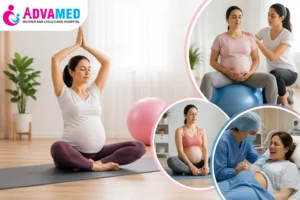
Pregnancy yoga, also called prenatal yoga, is a modified form of yoga designed specifically for expectant mothers. It focuses on gentle stretches, controlled breathing, and postures that are safe at each stage of pregnancy.
Unlike a general yoga class, prenatal sessions avoid deep twists, lying flat on the back for long periods, and poses that put pressure on the abdomen. Instead, the focus shifts to supporting the changing body, easing common discomforts, and preparing both mind and muscles for childbirth.
Most prenatal yoga classes also include breathing techniques and relaxation exercises, which is why yoga and meditation are often taught together during pregnancy.
Key Pregnancy Yoga Benefits for Expectant Mothers
Regular practice offers a wide range of pregnancy yoga benefits that go beyond simple relaxation. These include:
- Improved flexibility in the hips, pelvis, and lower back, areas that play a direct role in labor
- Stronger core and pelvic floor muscles, which support the body during pushing
- Better posture and reduced strain as the body’s centre of gravity shifts
- Lower levels of stress hormones, which can support smoother labor progression
- Improved sleep quality, especially in the later stages of pregnancy
- A greater sense of body awareness, helping mothers recognise labor signs earlier
- Reduced swelling and improved circulation in the legs and feet
These benefits build gradually with consistent practice, which is why starting early and attending classes regularly matters more than doing an occasional session.
How Pregnancy Yoga Can Support an Easier Labor
Yoga does not remove pain from labor, but it can change how your body and mind respond to it. Controlled breathing techniques practised in yoga classes are directly useful during contractions, helping you stay focused rather than tense.
Strong pelvic floor and hip muscles, built through regular postures, can make pushing more effective and may support a smoother second stage of labor. Improved flexibility in the hips and pelvis can also help the baby move into a favourable position for delivery.
Beyond the physical side, yoga trains the nervous system to stay calmer under stress. This matters because fear and tension can slow labor progress, while a relaxed body tends to work with contractions rather than against them.
Meditation Classes for Pregnancy: A Natural Pairing With Yoga
Alongside physical postures, meditation classes for pregnancy play an important role in labor preparation. Guided meditation helps mothers practise staying present and calm, a skill that becomes valuable during long or intense labor.
Simple techniques such as focused breathing, body scanning, and visualisation are commonly taught in these sessions. Practising them regularly during pregnancy means your body already knows how to respond when real contractions begin.
Many women also find that meditation reduces pregnancy-related anxiety, improves sleep, and creates a stronger sense of connection with the baby. Combining yoga and meditation gives mothers both physical readiness and mental steadiness for delivery.
Safety Guidelines for Practising Pregnancy Yoga
Yoga is generally safe during pregnancy, but a few precautions help keep both mother and baby protected:
- Always consult your doctor before starting yoga, especially if you have a high-risk pregnancy.
- Choose classes taught by instructors trained specifically in prenatal yoga.
- Avoid poses that involve lying flat on your back after the first trimester.
- Skip deep twists, backbends, or any pose that puts pressure on the belly.
- Stop immediately if you feel dizzy, short of breath, or experience pain.
- Stay well hydrated and avoid practising in overly warm rooms.
Listening to your body is the most important rule of all. Modify or skip any movement that does not feel right for you.
Choosing Pregnancy Care Classes in Zirakpur
If you are looking for guided pregnancy care classes in Zirakpur, it helps to choose a programme led by qualified instructors who understand pregnancy-specific needs. A good class will adjust postures for each trimester and keep group sizes small enough for personal attention.
Look for classes that combine gentle yoga with breathing exercises and relaxation techniques, since this combination offers the most complete preparation for labor. It also helps if the class is connected to a maternity hospital, so any concerns can be discussed directly with your obstetric team.
Advamed Hospital offers structured prenatal support that brings together experienced obstetricians and guided wellness sessions, making it easier for expectant mothers in the region to access safe, informed pregnancy yoga and relaxation guidance.
Tips for Getting the Most Out of Pregnancy Yoga
A few simple habits can help you gain the full benefit of your practice:
- Start with beginner-friendly sessions if you are new to yoga, even if you practised before pregnancy.
- Practise consistently, aiming for two to three sessions a week rather than occasional long sessions.
- Pair yoga with short daily breathing or meditation practice to reinforce calm under stress.
- Wear comfortable, breathable clothing and use props like cushions or blocks for support.
- Keep your doctor informed about your yoga routine, especially as your pregnancy progresses.
Small, steady efforts add up over the months and prepare your body gently rather than all at once.
Why Guided Support Matters
Pregnancy yoga works best when it is guided rather than self-taught, particularly for first-time mothers. A trained instructor can correct alignment, suggest modifications, and recognise when a pose is not suitable for your stage of pregnancy.
This is especially true for women managing pregnancy complications, who should always practise under professional supervision. Working alongside a maternity team that understands both your yoga routine and your medical history offers an added layer of safety and reassurance.
Conclusion
Regular pregnancy yoga will not guarantee a pain-free or perfectly smooth labor, but it can genuinely help your body and mind feel more prepared for it. Improved strength, flexibility, breathing control, and calm under pressure all contribute to a more positive birth experience for many women.
Pairing yoga with meditation adds another layer of support, helping mothers stay grounded through the ups and downs of pregnancy and labor. As with any part of your pregnancy journey, it is best to combine these practices with guidance from a qualified healthcare professional rather than following them alone.
If you are looking for safe, structured guidance, the maternity team at Advamed Hospital can help you build a pregnancy wellness routine suited to your individual needs.
FAQs
Yoga can generally be practised throughout pregnancy, but poses need to be modified as the body changes. Always get your doctor’s approval, especially in high-risk pregnancies.
Most women can start after the first trimester, once early pregnancy symptoms settle. Your doctor can confirm the right time based on your individual health.
It cannot guarantee a shorter labor, but improved strength, flexibility, and breathing control can help labor progress more smoothly for many women.
No, prenatal yoga classes are designed for all experience levels, including complete beginners. Instructors guide you through safe, gentle movements suited to pregnancy.
Yoga focuses on physical postures and breathing, while meditation centres on mental calm and focus. Together, they prepare both body and mind for labor.